Appalachian Corridor Protects Another 13.37 Hectares of the Millington Peat Bog in Austin in Perpetuity
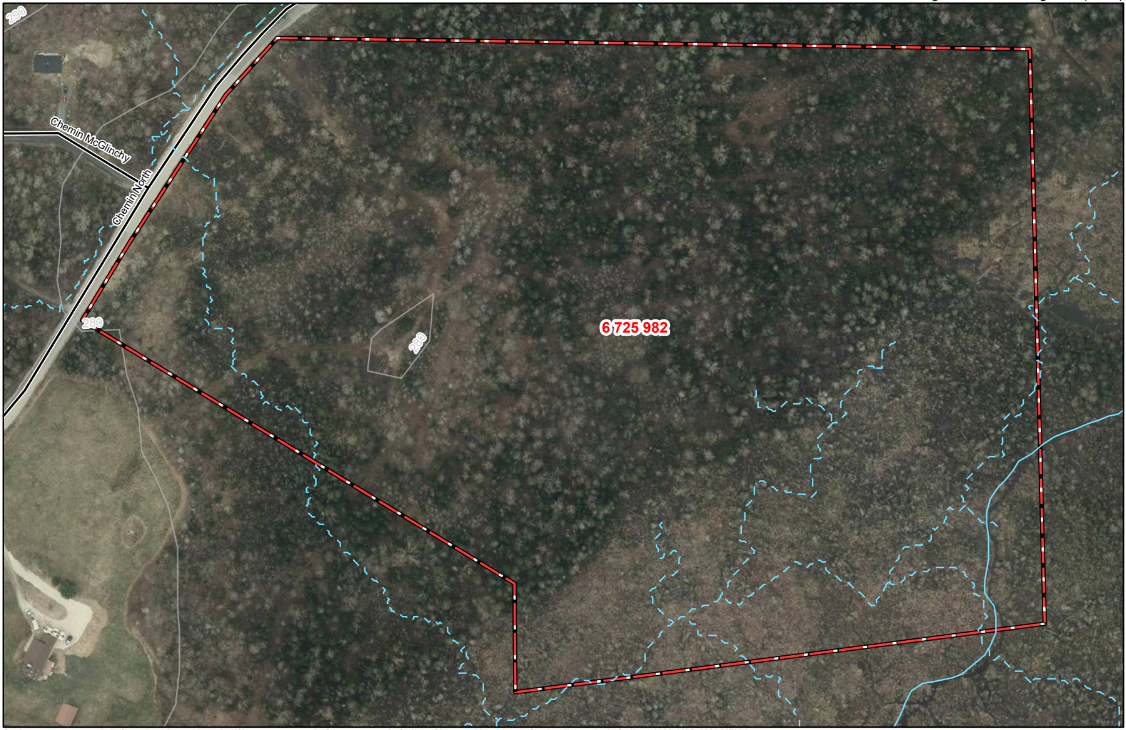
Eastman, July 23, 2026 – The Appalachian Corridor conservation organization is thrilled to announce that it is protecting an additional 13.37 hectares (33.04 acres) of the Millington peat bog in Austin, in perpetuity. Thanks to this new conservation effort, 124,52 hectares of this remarkable 264-hectare natural area will now be protected forever.
Exceptional biodiversity
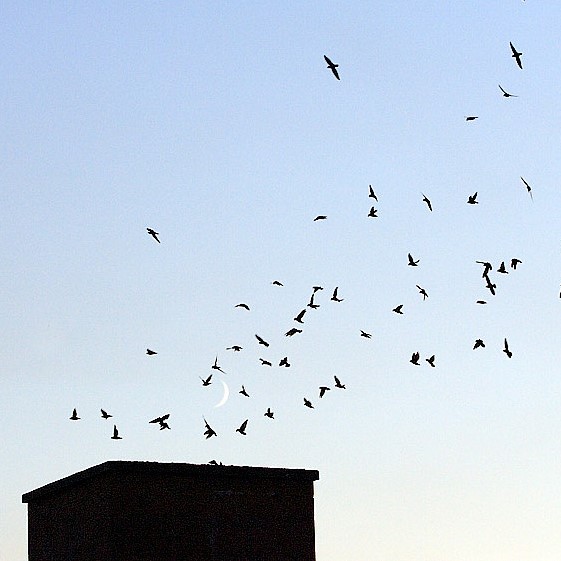
The territory consists of deciduous and mixed forests, a more than 10 km² intact forest massif, as well as many wetlands, streams and swamps. These habitats help maintain a rich biodiversity while playing an important role in protecting water resources. It is home to several wildlife species in a precarious situation in Quebec or at risk in Canada, including the Hoary Bat, the Silver-Haired Bat and the Northern Myotis. The Painted Turtle, the Pickerel Frog as well as several birds of conservation interest are also found there, including the Wood Thrush, the Barn Swallow and the Canada Warbler. Mammals include the Canadian Beaver, the White-Tailed Deer, the Moose, the Coyote and the American Porcupine.
Protecting this property helps ensure the ecological integrity of the Millington peat bog by preventing infrastructure from being built and other disturbances that could disrupt its natural functions. It also helps preserve this exceptional area’s many ecological uses, including its role as a wildlife and plant habitat, its carbon sequestration capacity and the many ecological services it provides to the community.
An exemplary conservation effort
Protecting this important natural area was made possible with the collaboration of the municipality of Austin, the MapleCross Fund, the Accélérer la conservation dans le sud du Québec (ACSQ) program and the landowners, whose dedication to conservation is tangibly contributing to preserving the natural heritage of the Appalachians for generations to come. This new protected area has been named Héronnière-Millington-MapleCross, in recognition of the MapleCross fund’s crucial support.
A gift from local landowners
Appalachian Corridor extends their heartfelt thanks to the landowners, Julie Lagrange and Kathryn Baumber, who agreed to donate the land (as a proposed ecological gift), thereby helping to protect this priority habitat in the Northern Green Mountains
QUOTES
“Protecting our natural environments is an investment in the future. I commend the remarkable work of Appalachian Corridor and the commitment of the partners and landowners who are making the conservation of this precious land possible. By preserving the Millington peat bog, we are protecting exceptional biodiversity while leaving future generations a natural heritage of which we can be proud,” said Geneviève Hébert, government attaché to the Minister Delegate for the Regions for the Estrie region and Member of the National Assembly for Saint-François.
“By conserving this territory in perpetuity, we are making sure that these natural areas remain intact and continue to support biodiversity, help fight climate change and are able to play their full role within the regional ecosystem, to benefit current and future generations,” said Caroline Bisson, Co-Executive Director of Appalachian Corridor.
“We have witnessed first-hand the devastating effects of climate change across many countries but especially here in Canada. Consequently, we are delighted that our donation to Appalachian Corridor will help to protect this spectacular, ecologically-sensitive property. Together, we are committed to preserving the integrity of our land for our community and Canadians” said Dr. Jan Oudenes and Dr. Isobel Ralston (MapleCross Fund).
“The Millington Bog is a true natural gem, a living place where a multitude of mammals, birds, amphibians, and plants find refuge, food, and habitat. We are deeply pleased to take this next step toward protecting this extraordinarily rich area and proud to contribute financially to its preservation. Our goal is to preserve this ecosystem in its entirety and make it accessible to everyone, so that residents can better understand the importance of the services that natural environments provide us: clean water and air, greater resilience to extreme weather events, more attractive living environments, and, of course, essential benefits for our physical and mental health. ” said Lisette Maillé, mayor of Austin.
ABOUT
Founded in 2002, Appalachian Corridor is a non-profit conservation organization dedicated to protecting the Northern Green Mountains in southern Quebec, a subrange of the Appalachian Mountains. Its mission is to create and connect a vast network of protected natural areas, ensuring the long-term conservation of ecologically significant ecosystems. Working closely with conservation partners, private landowners, municipalities and local communities, it advances strategic conservation solutions to address the twin crises of climate change and biodiversity loss. To date, these efforts have resulted in the permanent protection of more than 20,000 hectares of ecologically valuable land. For more information, visit appalachiancorridor.ca.
The Accélérer la conservation dans le sud du Québec (ACSQ) project is a co-funding agreement between the Gouvernement du Québec and Nature Conservancy of Canada (NCC) which benefits Quebec conservation organizations. It aims to protect and conserve natural habitats of ecological interest, notably through the acquisition of private land, to create protected and conserved areas and to establish ecological corridors. In doing so, the ACSQ promotes the development and sound management of the network of protected areas on private land, as well as public access to nature. The funds invested in the ACSQ over five years by the Gouvernement du Québec must be matched by CNC and its partners with additional funds from sources other than the Gouvernement du Québec. Since 1962, Nature Conservancy of Canada has been rallying the public to protect the lands and waters essential to our livelihood. As an environmental charity working in partnership with communities, Indigenous nations, governments, and businesses, we deliver nature-based solutions on an unparalleled scale. Our work—which helps safeguard air and water quality, sequester carbon, and reduce the risk of floods and wildfires—protects our health, strengthens local economies, and builds the resilience of our communities. Together, we unleash the full power of nature so that life can thrive. To learn more: conservationdelanature.ca
Canada’s Ecological Gifts Program provides a way for Canadians with ecologically sensitive land to protect nature and leave a legacy for future generations. Made possible by the terms of the Income Tax Act of Canada and the Quebec Taxation Act, it offers significant tax benefits to landowners who donate land or a partial interest in land to a qualified recipient. Recipients ensure that the land’s biodiversity and environmental heritage are conserved in perpetuity. https://www.canada.ca/fr/environnement-changementclimatique/services/financement-environnement/programme-dons-ecologiques/apercu.html